Battery & Storage

LiFePO4 vs AGM, sizing your bank, cold-weather performance, and every factor Ontario winters expose.

tygnr

The Ontario DIY LiFePO4 Battery Guide: Cell Selection, BMS Wiring, Compression, and the Safety Rules That Protect Your Build

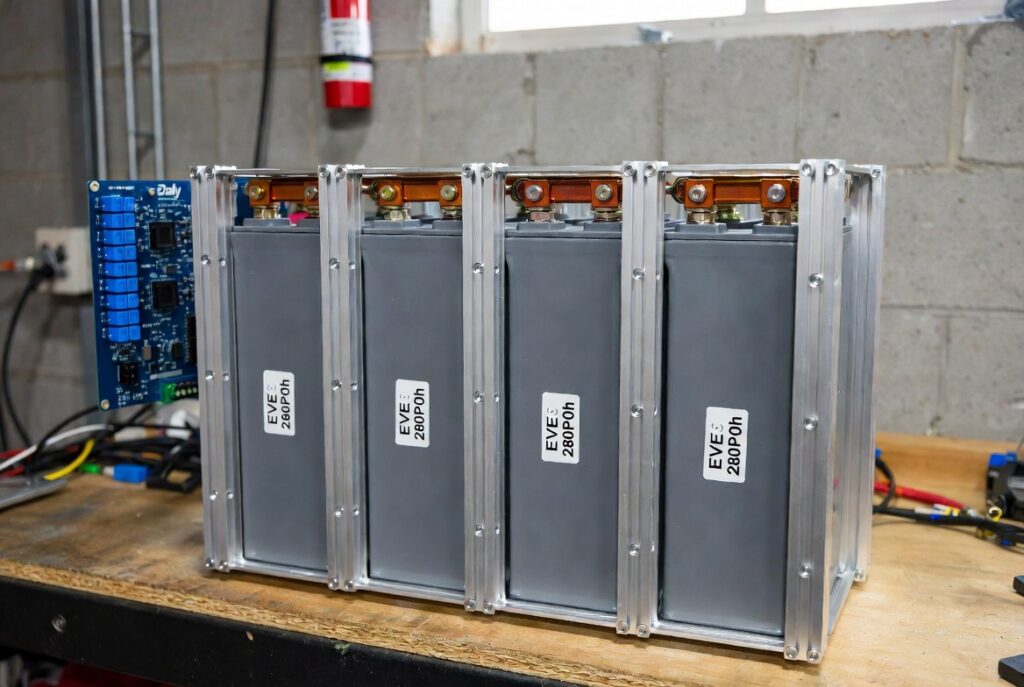
A DIY LiFePO4 battery bank costs 40 percent less than prebuilt and outlasts it when assembled correctly. Four EVE 280Ah prismatic cells cost $880. Add a 200A BMS at $85 and compression hardware at $35 and the total is $1,005. A prebuilt equivalent at the same capacity costs $2,800 or more. The savings only justify
The Ontario DIY LiFePO4 Battery Guide: Cell Selection, BMS Wiring, Compression, and the Safety Rules That Protect Your Build Read More »

kjf5t

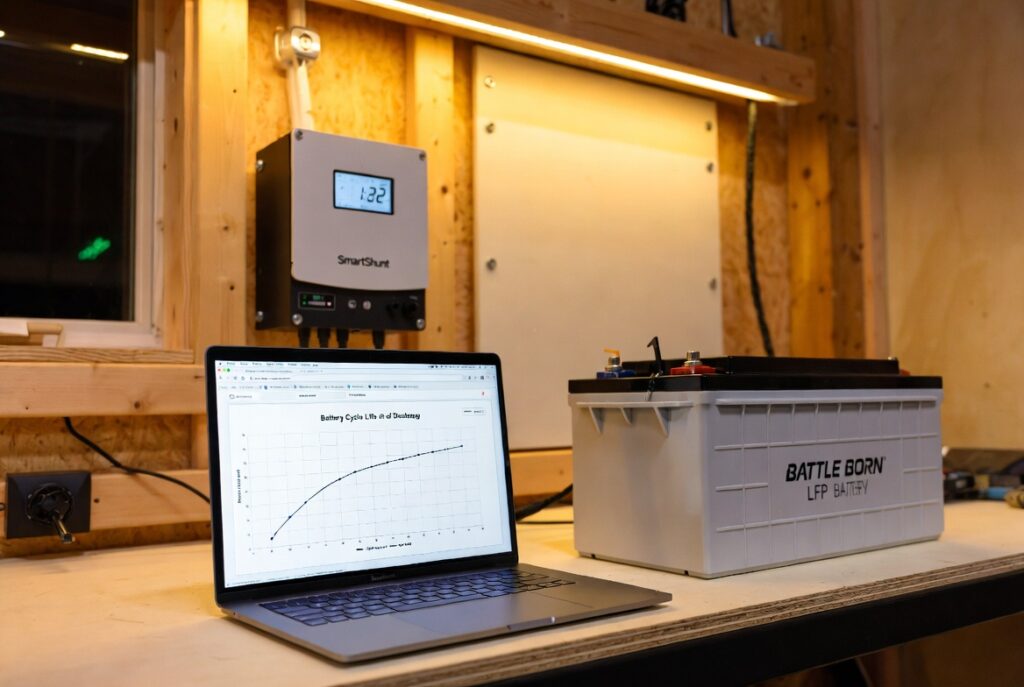
The Ontario Depth of Discharge Guide: Why DoD Decides Your Battery’s Cycle Life, Capacity, and Replacement Cost

Depth of discharge determines how many cycles your solar battery will survive before it needs replacement. A 100Ah AGM battery at 50 percent max DoD gives you only 50Ah of usable energy. Push that same battery to 75 percent DoD and the cycle life drops from 600 to 200 cycles. The number on the label

The Ontario Depth of Discharge Guide: Why DoD Decides Your Battery’s Cycle Life, Capacity, and Replacement Cost Read More »

8rp6h

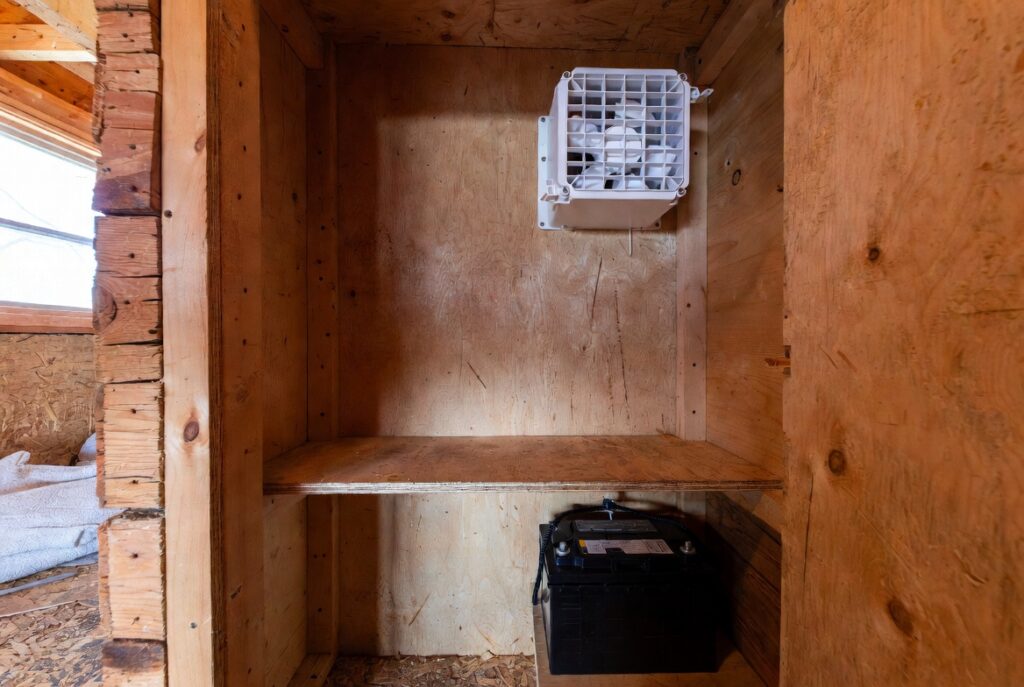
The Ontario Solar Battery Storage Guide: Ventilation, Temperature Limits, Acid Containment, and the Seasonal Layup Protocol

How you store solar batteries determines whether they last a decade or cause a $2,200 incident in a closet. Lead-acid batteries produce hydrogen gas during charging. At 4 percent concentration in air, hydrogen is explosive. A sealed closet with no vent becomes a hazard within weeks of continuous trickle charging. LFP batteries avoid the hydrogen

The Ontario Solar Battery Storage Guide: Ventilation, Temperature Limits, Acid Containment, and the Seasonal Layup Protocol Read More »

jzw2d

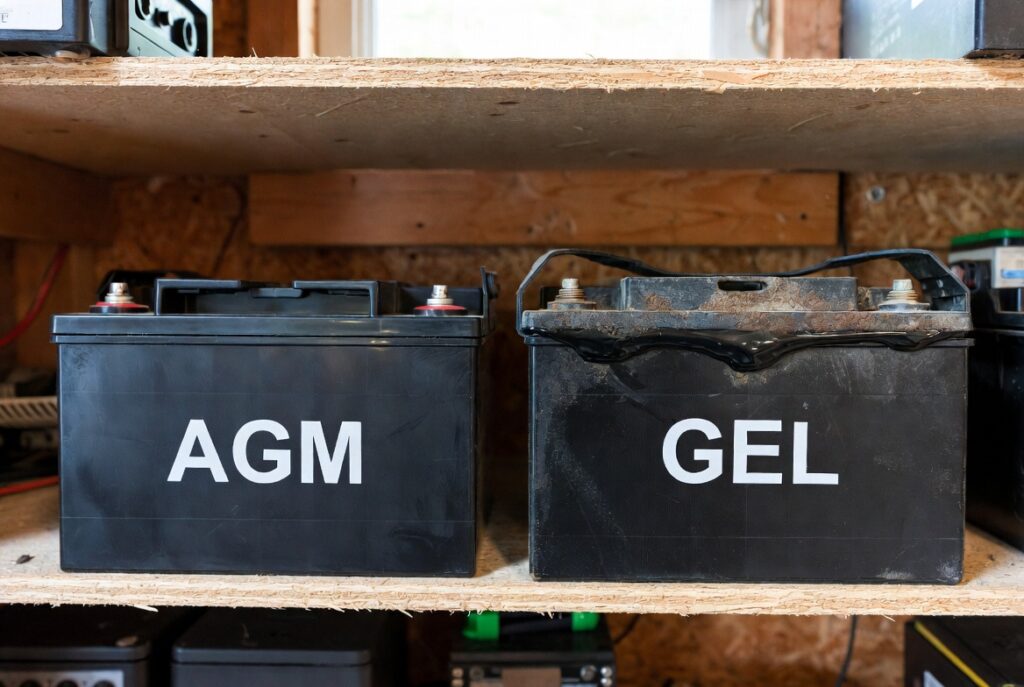
The Ontario Gel vs AGM Guide: Flooded, Sealed, and Gel Lead-Acid Compared for Off-Grid Solar

Gel vs AGM is the wrong question for most Ontario builders because AGM wins the lead-acid category outright. Gel batteries cost $180 per 100Ah but require precise charging voltage that budget controllers cannot deliver. AGM costs $125 per 100Ah, is fully sealed, and works with any controller. The gel vs AGM decision is settled by

The Ontario Gel vs AGM Guide: Flooded, Sealed, and Gel Lead-Acid Compared for Off-Grid Solar Read More »

vloer

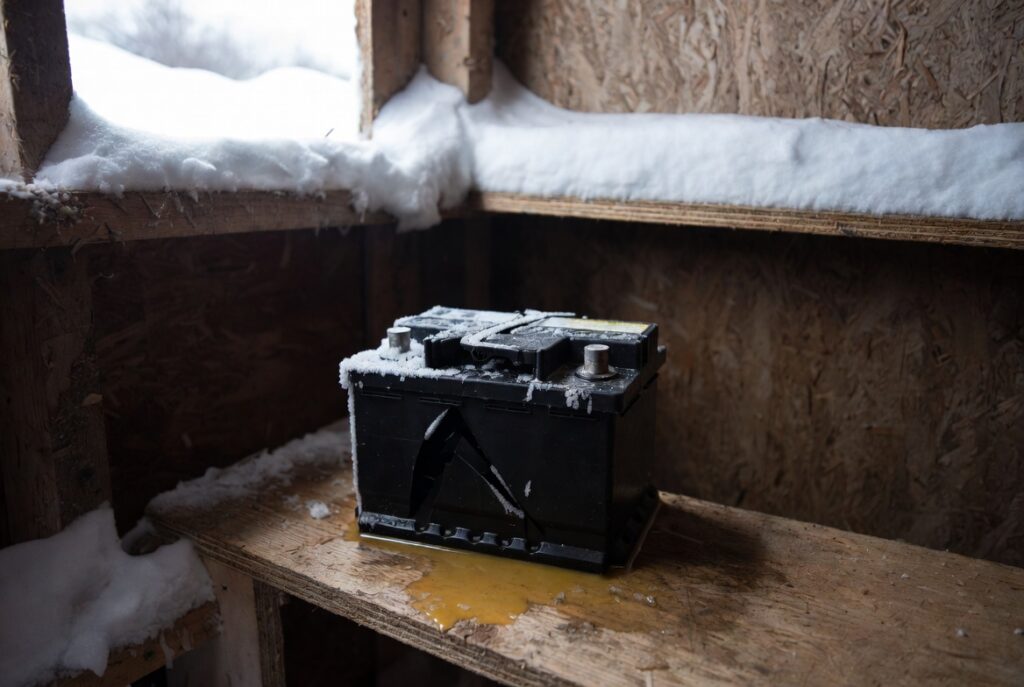
The Ontario Car Battery Solar Guide: Why Starter Batteries Fail, the Deep Cycle Requirement, and the Correct Alternative

A car battery solar setup looks like a bargain until the SmartShunt shows 40 percent capacity loss in four months. Starter batteries are engineered for a 3 to 5 second burst of current to crank an engine. They are not built for the daily deep cycling that solar storage demands. In Ontario, this mistake leads

The Ontario Car Battery Solar Guide: Why Starter Batteries Fail, the Deep Cycle Requirement, and the Correct Alternative Read More »

40knh

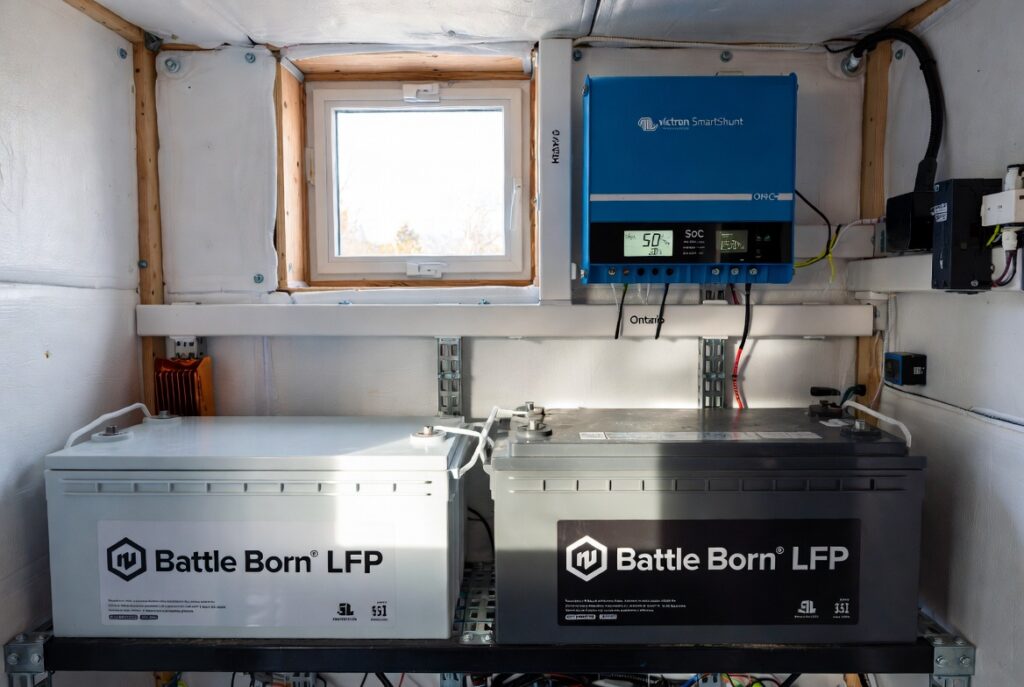
The Ontario Solar Battery Life Guide: DoD Discipline, the 0 Degrees C Charging Rule, and the 14-Year Renfrew County Standard

The solar battery life Ontario difference between a Renfrew County owner who ran a 200Ah Battle Born LFP bank for 14 years and reached 93.5 percent capacity retention, and a Hastings County owner who ran the same bank for 5 years and reached 74 percent capacity retention, was not the battery. Both owners bought identical

The Ontario Solar Battery Life Guide: DoD Discipline, the 0 Degrees C Charging Rule, and the 14-Year Renfrew County Standard Read More »

dup2k

The Ontario Battery Spec Sheet Guide: Rated Capacity, Cycle Life DoD, Charge Temperature, and Continuous Discharge Limits

I still have the cold in my bones from that January morning when the battery spec sheet Ontario gap hit me: the SmartShunt blinked 15 percent SoC and the well pump would not kick on. Not because the battery was dead but because I had been reading the spec sheet wrong. I looked at the

The Ontario Battery Spec Sheet Guide: Rated Capacity, Cycle Life DoD, Charge Temperature, and Continuous Discharge Limits Read More »

pxj6k

The Ontario Mixed Battery Brand Guide: Chemistry Rules, Internal Resistance Mismatch, and the AGM-LFP Mistake That Destroyed a Bank in Six Months

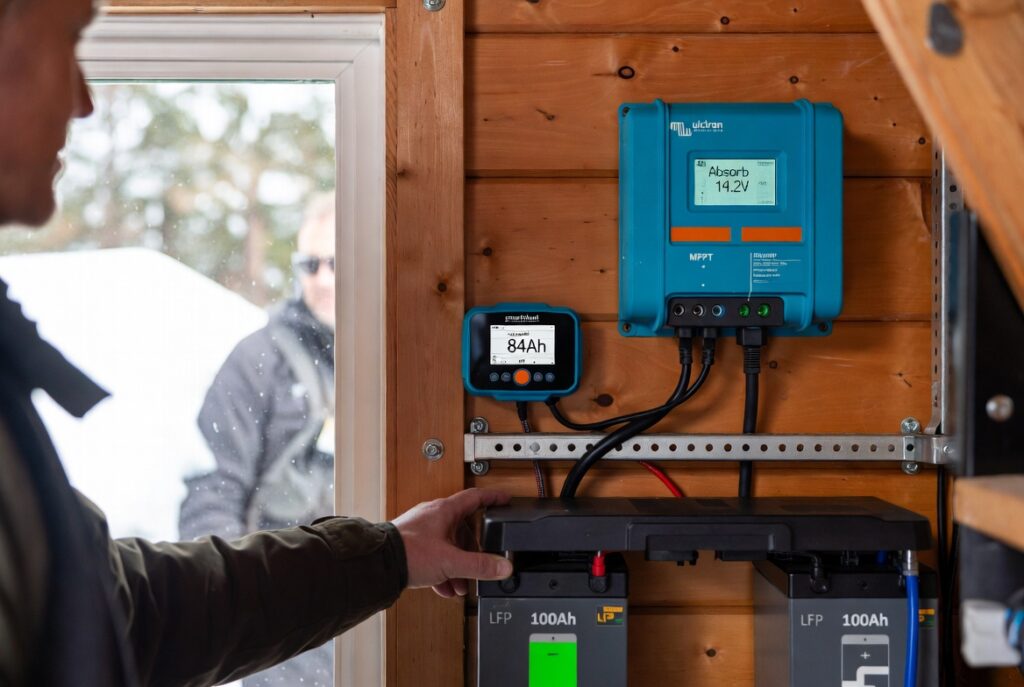
The mixing battery brands Ontario mistake that destroyed a Simcoe County AGM battery in 6 months was not a wiring fault or a BMS failure but a charge voltage mismatch: the MPPT 100/50 was correctly set to the LFP absorb voltage of 14.2V, the AGM battery sharing the same bus requires 14.4 to 14.8V absorb

The Ontario Mixed Battery Brand Guide: Chemistry Rules, Internal Resistance Mismatch, and the AGM-LFP Mistake That Destroyed a Bank in Six Months Read More »

oklps

The Ontario Battery Balancing Guide: Cell Drift, the Winter Storage Problem, and the Top-Balance Protocol That Recovers Lost Capacity

The battery balancing Ontario failure that leaves Parry Sound cabin owners staring at 84Ah on a 100Ah SmartShunt in May is not a failed cell or a warranty claim but three months of unequal cold-temperature self-discharge. The BMS now terminates the charge cycle the moment that one cell hits 3.65V, leaving the remaining cells at

The Ontario Battery Balancing Guide: Cell Drift, the Winter Storage Problem, and the Top-Balance Protocol That Recovers Lost Capacity Read More »

fx6qy

The Ontario Fish Finder Solar Guide: 20Ah LFP Spec, Panel Size, and the Cold Storage Rule for Fishing Batteries

The fish finder solar ontario problem that ends bass tournaments and wilderness canoe trips is not a failed fish finder or a dead transducer but a voltage sag from the main cranking battery that causes the Humminbird Helix 7 to reboot and lose all saved waypoints at the worst possible moment. A tournament competitor in

The Ontario Fish Finder Solar Guide: 20Ah LFP Spec, Panel Size, and the Cold Storage Rule for Fishing Batteries Read More »