Off-Grid Living

Real-world guides for living fully off the grid, from cabin power to year-round Ontario reliability.

7ht2o

The Ontario Off Grid Pump Guide: Well Pump Surge, SoftStart Well, and the $65 Fix That Saves a $500 Inverter Upgrade

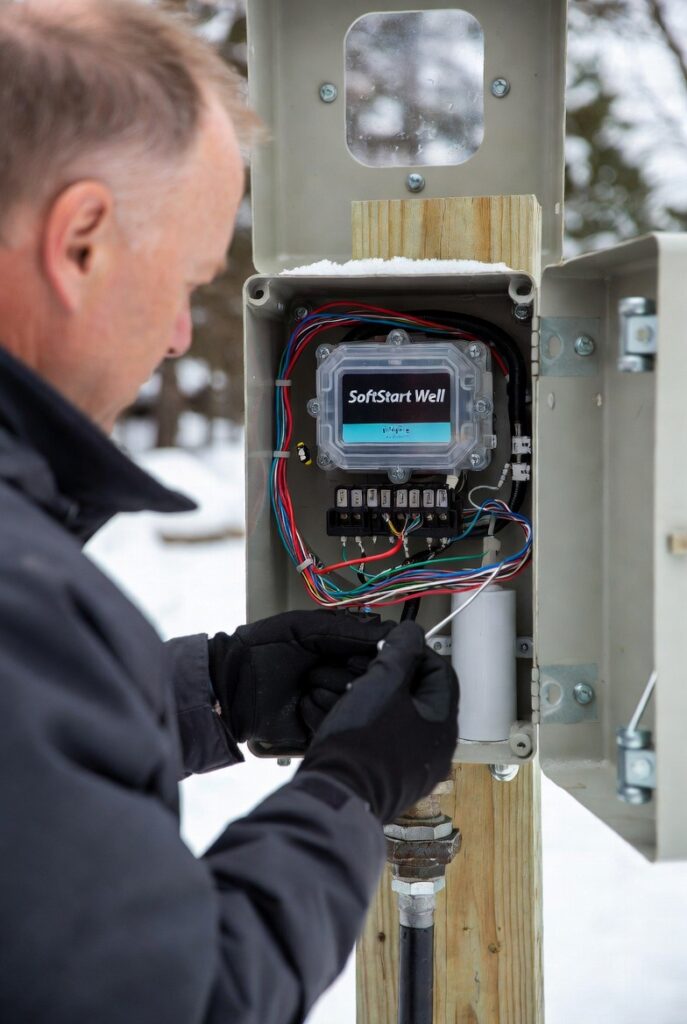
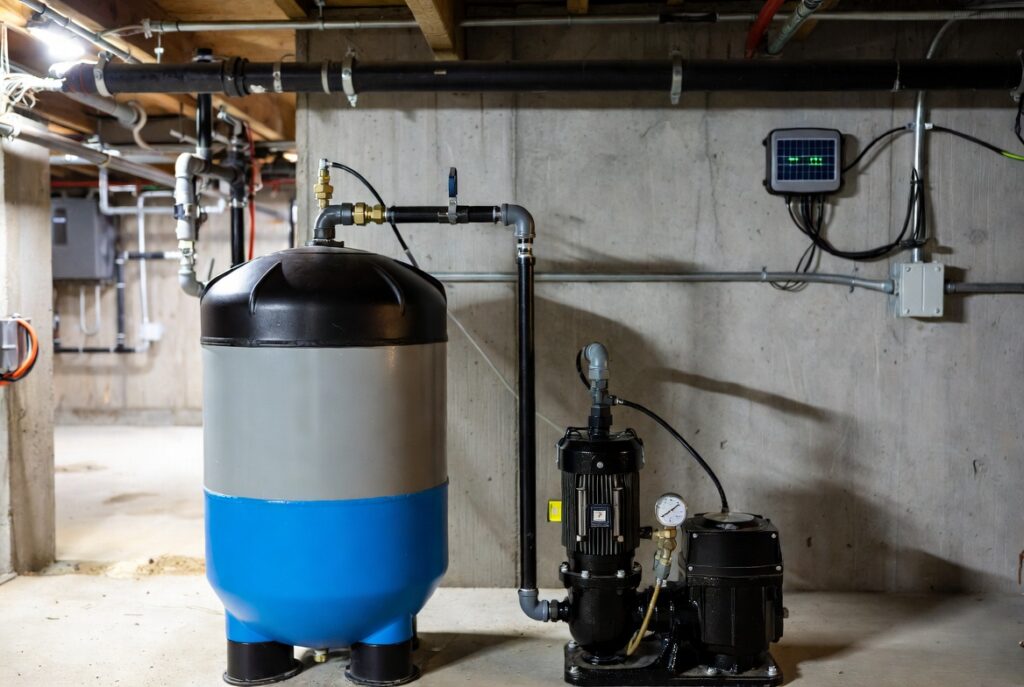
The most common off grid pump mistake is sizing the inverter to the well pump’s running watts. The nameplate on a 1/2 HP submersible well pump in a Wellington County drilled well reads 800 to 900W running. Without a [SoftStart Well](https://www.amazon.com/dp/B0FQ4G4Q7L?tag=gridfreegui0b-20), the startup surge reaches approximately 2,800W for the first 3 to 5 seconds of
The Ontario Off Grid Pump Guide: Well Pump Surge, SoftStart Well, and the $65 Fix That Saves a $500 Inverter Upgrade Read More »

pnqwd

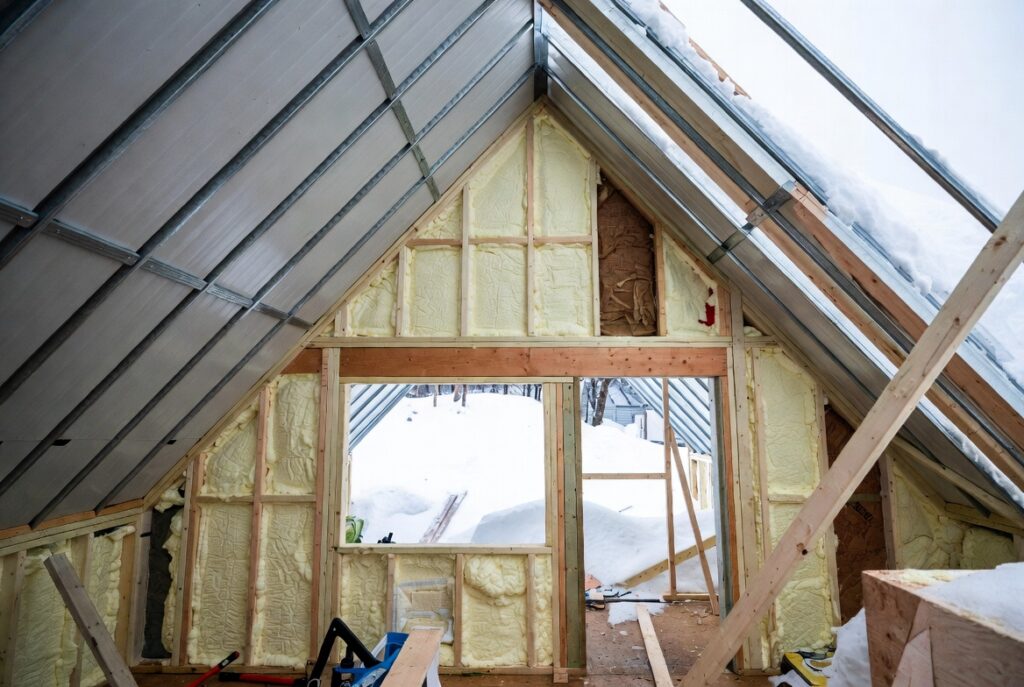
The Ontario Off Grid Insulation Guide: R-24 Walls, R-60 Attic, and the Electric Heat Trap

The most expensive Ontario off grid insulation mistake is building a cabin with R-12 walls and then trying to heat it with a 1,500W electric heater, because a 1,500W heater running 16 hours a day draws 24,000Wh daily, and sustaining that load through a 4-day January gray streak requires approximately 96,000Wh of battery storage, which

The Ontario Off Grid Insulation Guide: R-24 Walls, R-60 Attic, and the Electric Heat Trap Read More »

aia7f

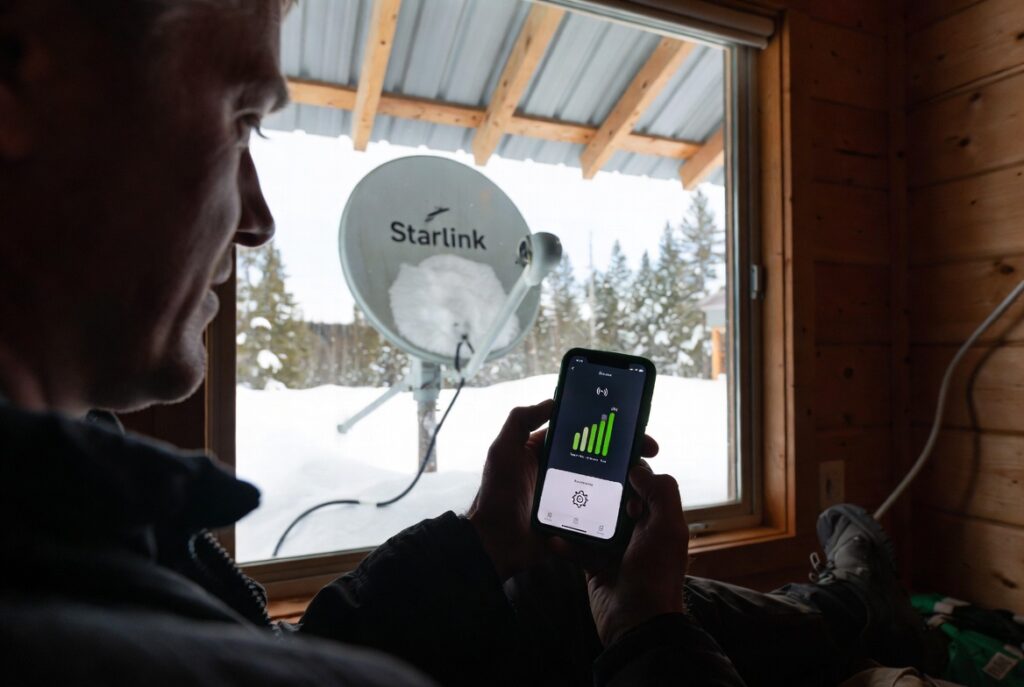
The Ontario Off Grid Internet Guide: Starlink Power Management, Snow Melt, and the Gray Streak Protocol

The most common off grid internet mistake in Ontario is plugging in a Starlink Standard dish and walking away from the default settings, because Starlink ships with snow melt mode set to automatic, no sleep schedule configured, and power routing through the AC adapter, a combination that draws approximately 135W around the clock in Ontario

The Ontario Off Grid Internet Guide: Starlink Power Management, Snow Melt, and the Gray Streak Protocol Read More »

8a67da7b e4fa 4cb0 adf1 83aa28540111

The Well Pump Ontario Off Grid Guide: Startup Surge, SoftStart, and the Pressure Tank Rule

The most common well pump ontario off grid sizing mistake is reading the 600W label on a 1/2 HP submersible pump and specifying a 1,000W inverter, because the pump does not draw 600W at startup, it draws approximately 2,800W for 300 to 500 milliseconds as the motor’s inrush current pulls the rotor up to operating

The Well Pump Ontario Off Grid Guide: Startup Surge, SoftStart, and the Pressure Tank Rule Read More »

8c55e074 e875 499f 8684 5f1c7e52737e

The Water Heater Ontario Guide: Propane On-Demand, Electric Tankless, and the Off-Grid Inverter Load

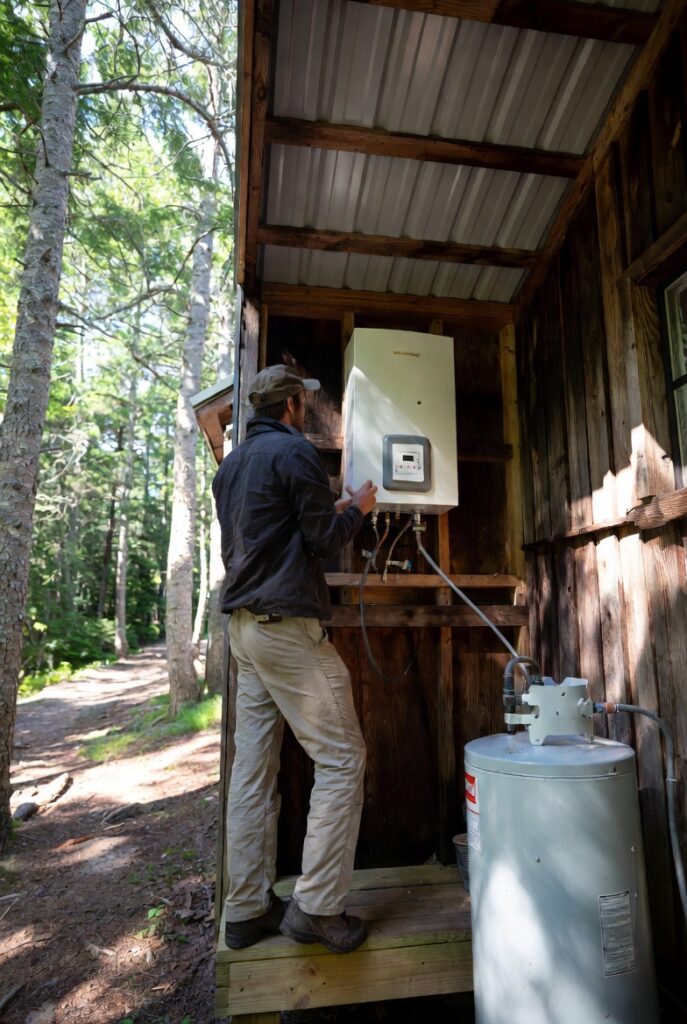
The most common water heater ontario off-grid installation mistake is purchasing a 3,000W electric tankless unit and discovering that every shower trips the 2,000W PSW inverter, a 3,000W element draws 150% of the inverter’s rated continuous output, triggering overload protection on the first hot water demand. This happened to a property owner on Crawford Street

The Water Heater Ontario Guide: Propane On-Demand, Electric Tankless, and the Off-Grid Inverter Load Read More »

4be2daf2 fb6d 4809 ab55 a52cb5ae01b7

The Ontario Off Grid Generator Guide: Propane vs Gas, Correct Sizing, and the Gray Streak Rule

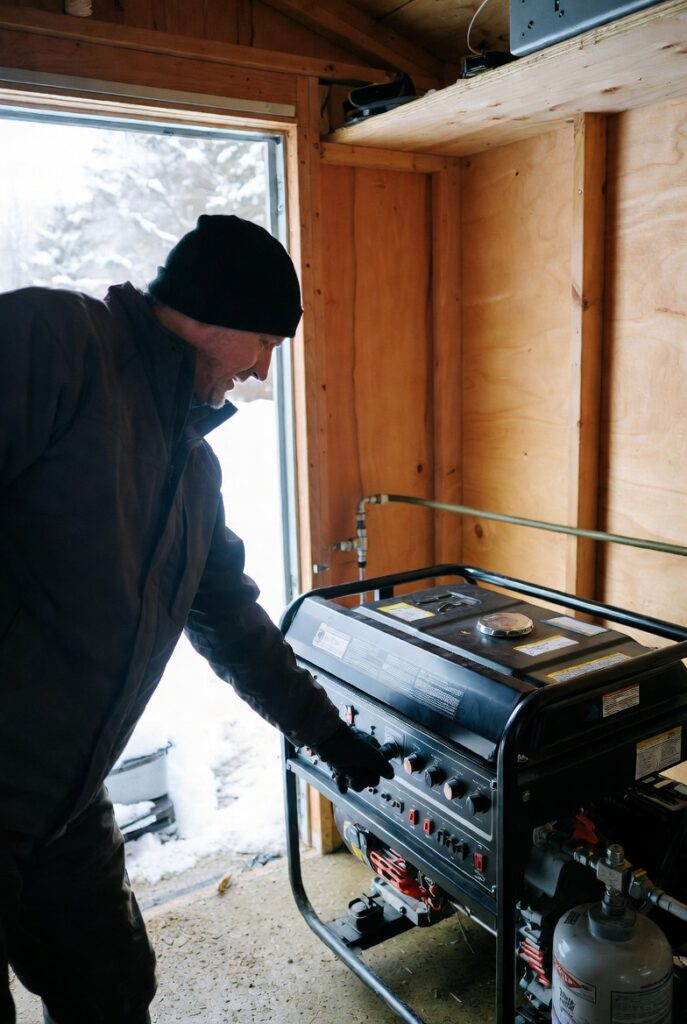
The most common off grid generator mistake in Ontario is purchasing a 6,500W gasoline unit for “whole-house backup” and discovering on the second January of ownership that the carburetor has gummed from 3 months of idle storage, the engine will not start in -20°C weather, and the battery bank is at 18% SoC with a

The Ontario Off Grid Generator Guide: Propane vs Gas, Correct Sizing, and the Gray Streak Rule Read More »

eb741c66 3d91 457e babd 3670bc9a4cb1

The Propane Tank Ontario Guide: Sizing, TSSA Installation, and the 90-Day Winter Reserve Rule

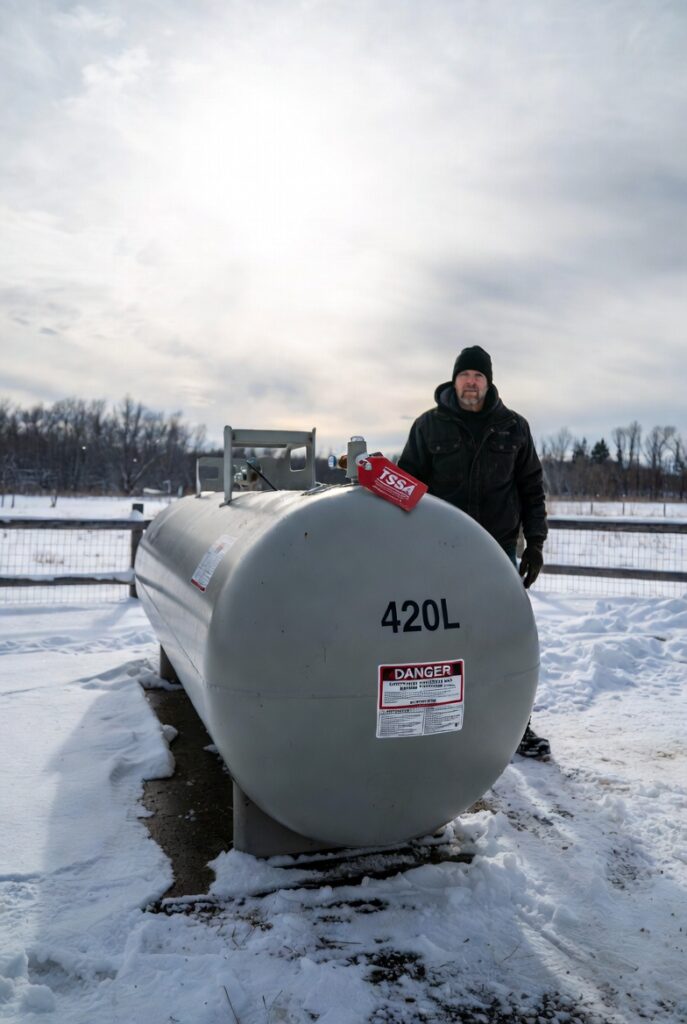
The most dangerous propane tank Ontario sizing mistake is purchasing a 120-litre tank for a year-round off-grid residence. A property owner on Watson Road South in Guelph, Wellington County installed a 120-litre vertical propane tank in fall 2022. Her planned loads included a propane forced-air furnace, a propane on-demand hot water heater, and a propane

The Propane Tank Ontario Guide: Sizing, TSSA Installation, and the 90-Day Winter Reserve Rule Read More »

74ba22df 4c9a 4d90 9518 cb93819ea6f3

The Modern Off Grid Ontario Guide: Why Going GridFree Makes Financial Sense in Wellington and Halton Counties

Going off grid ontario is no longer just a lifestyle choice for remote bush properties, for rural Wellington and Halton County property owners it has become a straightforward financial decision when Hydro One quotes $15,000 to $80,000 for a rural service extension that the property owner will never own. In spring 2023, a rural property

The Modern Off Grid Ontario Guide: Why Going GridFree Makes Financial Sense in Wellington and Halton Counties Read More »

3978353b 3279 4a85 892a b0e734c3c2b1

The Efficiency Standard: Off Grid Appliances That Won’t Drain Your Ontario Battery Bank

The most expensive off grid appliances mistake Ontario beginners make is building a load list from city habits, bringing an AC bar fridge, a microwave, a toaster, and an electric kettle off-grid and then wondering why the solar system costs $15,000 to power them. A homeowner on Woodlawn Road East in Guelph, Wellington County contacted

The Efficiency Standard: Off Grid Appliances That Won’t Drain Your Ontario Battery Bank Read More »

297d4320 13ab 4519 b023 d0e48ef80c7f

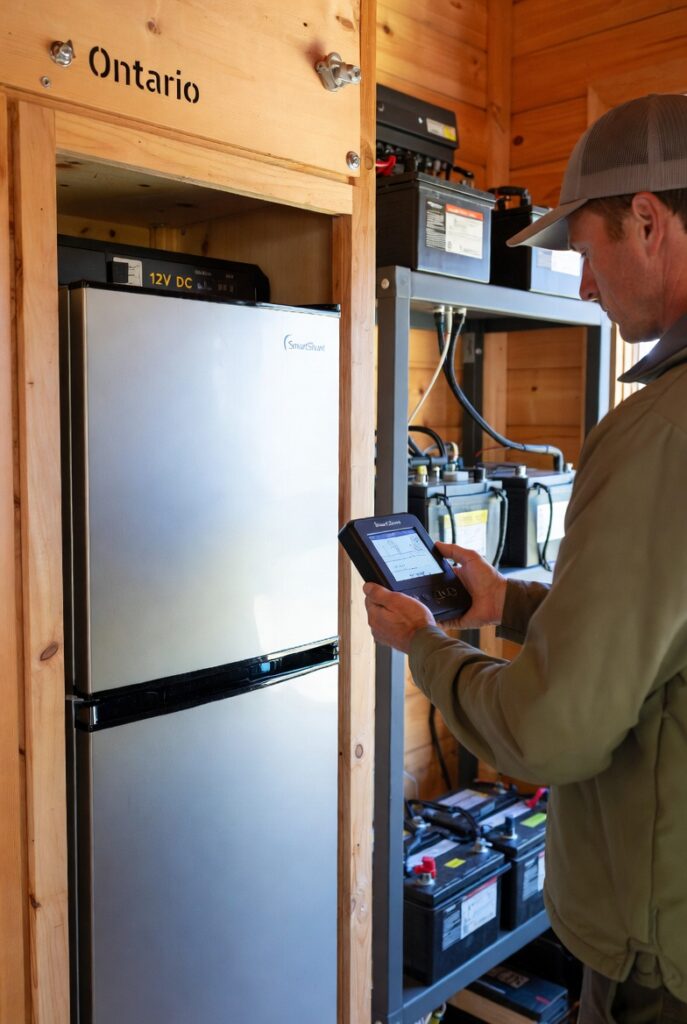
The Ontario Off Grid Refrigerator Guide: 12V DC, AC Inverter, and Propane Options

The most electrically expensive off grid refrigerator decision in Ontario is running a standard AC compressor fridge through a PSW inverter, the fridge draws approximately 400Wh per day, but the inverter’s 24-hour idle draw adds approximately 240 to 480Wh per day to that total, pushing the refrigeration cost to approximately 600 to 900Wh per day

The Ontario Off Grid Refrigerator Guide: 12V DC, AC Inverter, and Propane Options Read More »