ROBERT BERTRAND

mvxyr

The Ontario Solar Self-Consumption Guide: Load Shifting, the 10 AM to 2 PM Production Window, and the Cerbo GX ESS Strategy

The solar self-consumption Ontario principle that extended a Renfrew County LFP bank’s expected service life from 8.2 years to 13.5 years without buying a single new component was moving three appliances , laundry, dishwasher, and water pump , from their default evening run times to the 10 AM to 2 PM solar production window. A
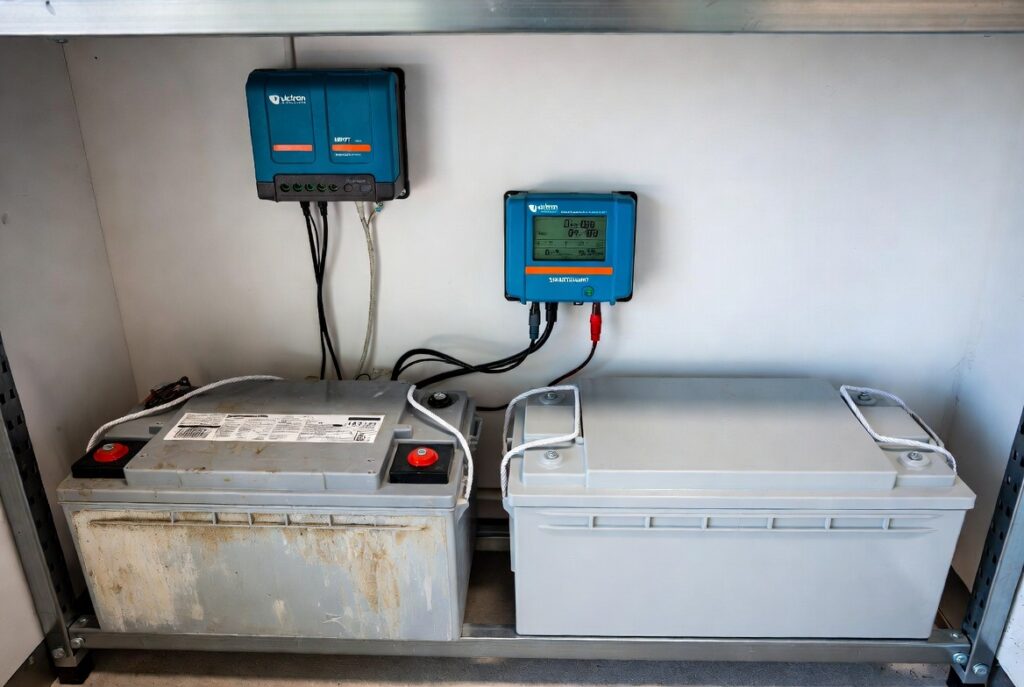
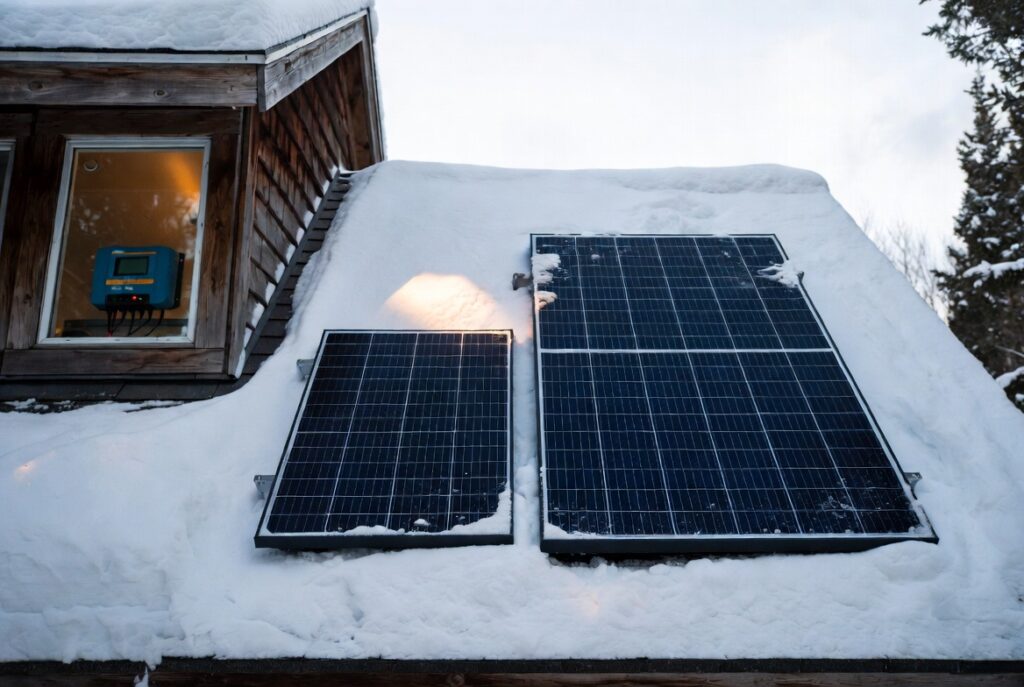
The Ontario Solar Self-Consumption Guide: Load Shifting, the 10 AM to 2 PM Production Window, and the Cerbo GX ESS Strategy Read More »

pxj6k

The Ontario Mixed Battery Brand Guide: Chemistry Rules, Internal Resistance Mismatch, and the AGM-LFP Mistake That Destroyed a Bank in Six Months

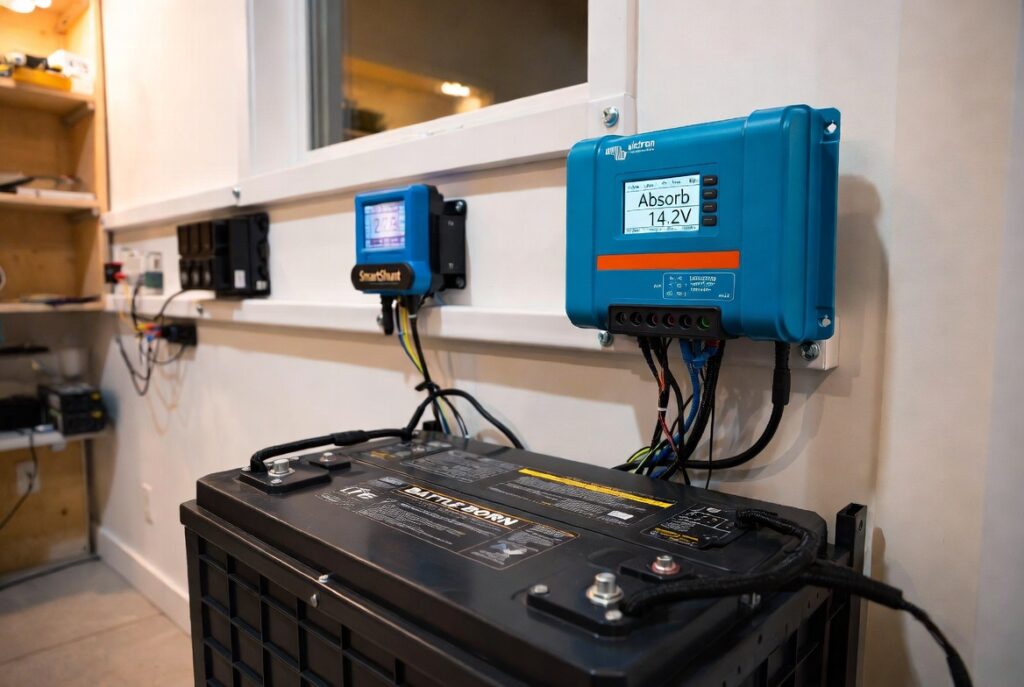
The mixing battery brands Ontario mistake that destroyed a Simcoe County AGM battery in 6 months was not a wiring fault or a BMS failure but a charge voltage mismatch: the MPPT 100/50 was correctly set to the LFP absorb voltage of 14.2V, the AGM battery sharing the same bus requires 14.4 to 14.8V absorb

The Ontario Mixed Battery Brand Guide: Chemistry Rules, Internal Resistance Mismatch, and the AGM-LFP Mistake That Destroyed a Bank in Six Months Read More »

q5gcw

The Ontario Mixed Solar Panel Guide: Parallel Safety, Series Voltage Risk, and the January Over-Voltage Fault

The mixing solar panels Ontario question I get asked at least once a week , can you wire a new 200W panel into an existing 100W string , has one answer for parallel wiring and a completely different answer for series wiring. In parallel, a wattage mismatch costs nothing more than some unused capacity on

The Ontario Mixed Solar Panel Guide: Parallel Safety, Series Voltage Risk, and the January Over-Voltage Fault Read More »

oklps

The Ontario Battery Balancing Guide: Cell Drift, the Winter Storage Problem, and the Top-Balance Protocol That Recovers Lost Capacity

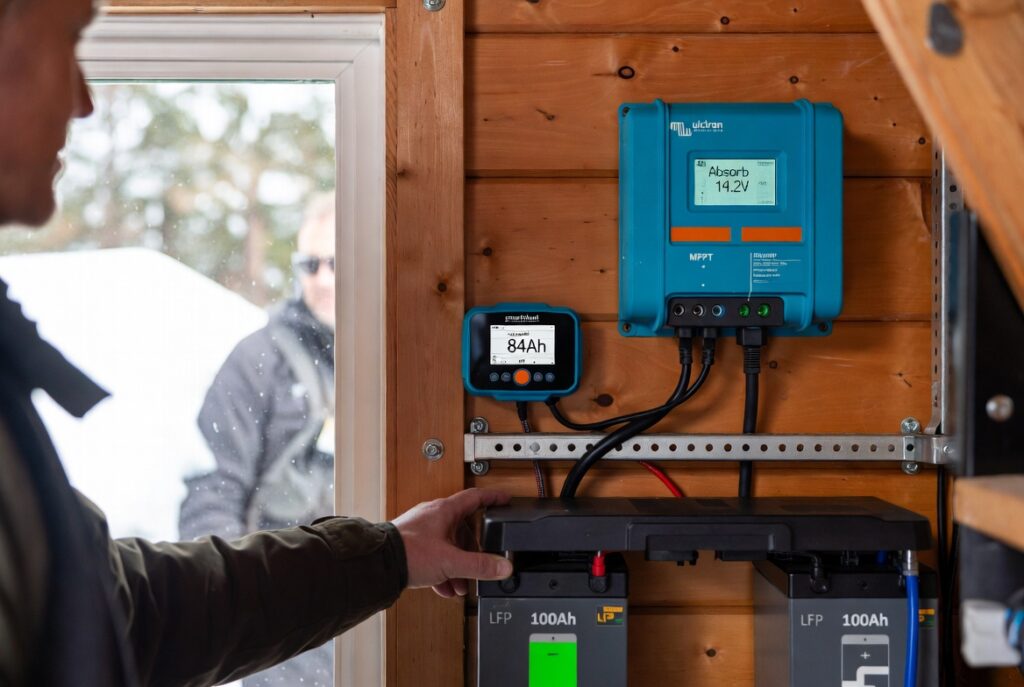
The battery balancing Ontario failure that leaves Parry Sound cabin owners staring at 84Ah on a 100Ah SmartShunt in May is not a failed cell or a warranty claim but three months of unequal cold-temperature self-discharge. The BMS now terminates the charge cycle the moment that one cell hits 3.65V, leaving the remaining cells at

The Ontario Battery Balancing Guide: Cell Drift, the Winter Storage Problem, and the Top-Balance Protocol That Recovers Lost Capacity Read More »

ntv3a

The Ontario Solar Maintenance Guide: 12-Task Annual Checklist, Spring Commissioning, and the Cost of Three Years Without a Visit

The solar maintenance Ontario failure that produced three blown combiner fuses, two high-resistance MC4 connections, and a SmartShunt capacity reading 15 percent below the 2019 commissioning baseline in a Dufferin County system was not caused by a product defect or an Ontario weather event but by three consecutive years of skipped annual maintenance visits. The

The Ontario Solar Maintenance Guide: 12-Task Annual Checklist, Spring Commissioning, and the Cost of Three Years Without a Visit Read More »

ntcvi

The Ontario Solar Combiner Guide: What a Combiner Box Does, When You Need One, String Fuse Sizing, and the Failed Fuse Diagnostic

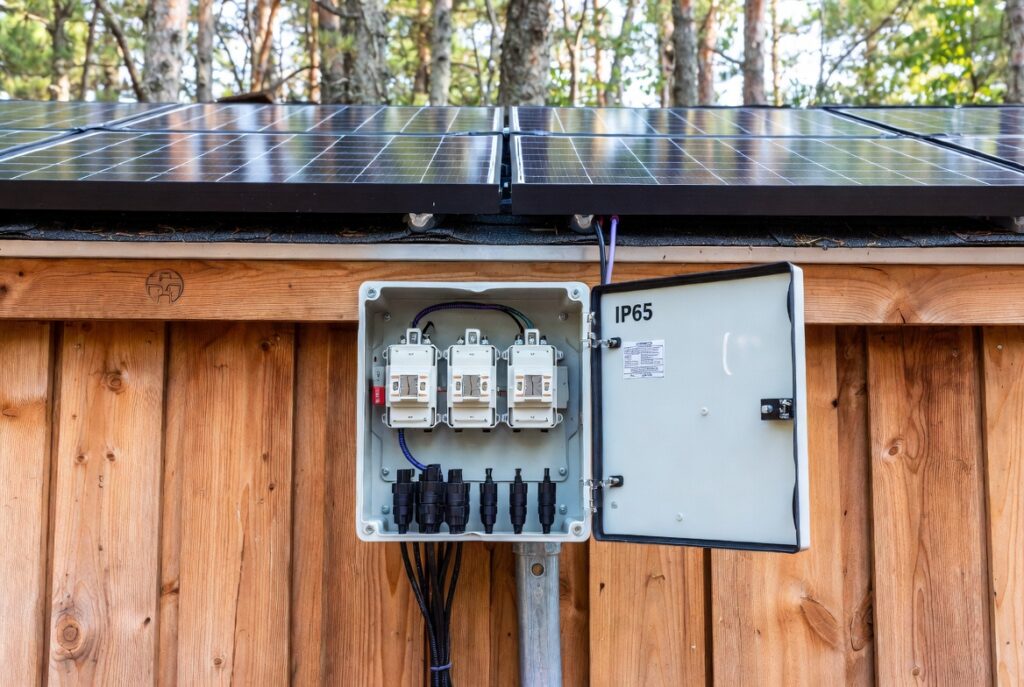
The solar combiner Ontario failure that limits a Wellington County 1,200W three-string array to 800W production on a clear July afternoon is not a panel defect or an MPPT programming issue but a single blown 15A fuse inside the combiner box that disconnected one entire string from the array. The fuse element failed open from

The Ontario Solar Combiner Guide: What a Combiner Box Does, When You Need One, String Fuse Sizing, and the Failed Fuse Diagnostic Read More »

ekvid

The Ontario Battery Charging Guide: Bulk, Absorb, and Float Stages, SmartShunt Readings, and the January PSH Time Constraint

The battery charging Ontario failure that leaves Bruce County cabin owners with a partially charged bank every January morning is not a panel fault or a wiring issue but a physics constraint: at 1.5 PSH, a 400W array produces approximately 492Wh per day, and a bank starting at 30 percent SoC on a Battle Born

The Ontario Battery Charging Guide: Bulk, Absorb, and Float Stages, SmartShunt Readings, and the January PSH Time Constraint Read More »

ardoq

The Ontario Solar Irradiance Guide: STC versus Ontario Reality, the Output Formula, and the Cloud Cover Effect

The solar irradiance Ontario gap between the 400W nameplate on a Renogy panel and the 260W the SmartShunt confirms on a hazy July afternoon in Grey County is not a panel defect or a wiring fault but the physics of irradiance. The 400W rating is measured at Standard Test Conditions of exactly 1,000 W/m2, a

The Ontario Solar Irradiance Guide: STC versus Ontario Reality, the Output Formula, and the Cloud Cover Effect Read More »

ipap5

The Ontario Energy Storage Guide: Grid-Scale Pumped Hydro, Off-Grid LFP, and the January Storage Sizing Rule

The energy storage Ontario sizing failure that strands Haliburton County cabin owners without power every January morning is not a panel problem or a wiring fault but a storage undersizing decision made at purchase: a 50Ah LFP bank that cannot bridge the gap between the end of 1.5 PSH production at approximately 2 PM and

The Ontario Energy Storage Guide: Grid-Scale Pumped Hydro, Off-Grid LFP, and the January Storage Sizing Rule Read More »

ok6ck

The Ontario Solar Hours Guide: Peak Sun Hours by Postal Code, the PSH Formula, and the January Design Month

The solar hours Ontario sizing mistake that produces the most undersized systems in Renfrew County is not a panel failure but a planning error: using a generic PSH average instead of Natural Resources Canada postal code data. Ontario is not a single solar climate. The province spans approximately 1,600 kilometres from Windsor to Thunder Bay,

The Ontario Solar Hours Guide: Peak Sun Hours by Postal Code, the PSH Formula, and the January Design Month Read More »