
Imagine this: you plug your laptop into a cheap modified sine wave inverter and it charges fine for a week. Everything seems fine until the laptop power supply dies unexpectedly. You replace it thinking it was bad luck. Within three weeks the new one meets the same fate. The connection is never made. This guide makes sure you never make that mistake.
What an Inverter Actually Does
An inverter is your translator. It converts DC power from your battery into AC power for your devices. Your battery stores DC. Your appliances need AC. A bad translator doesn’t just slow things down it can permanently damage everything it’s translating for.
The Two Types
Modified Sine Wave
Modified sine wave isn’t smooth it’s a stepped, blocky approximation of a real AC wave. Cheaper to produce. Works fine for simple resistive loads like basic lights and power tools.
The problem: sensitive electronics expect a smooth wave. What they get is choppy. Over time this causes:
- Overheating in motors
- Buzzing in audio equipment
- Reduced efficiency in anything with a power supply
- Premature failure in laptops, medical devices, and variable speed tools
Cost: $30–150 for most units.
Pure Sine Wave
Pure sine wave delivers smooth, clean AC identical to what comes from your wall outlet. Every device designed for AC power works perfectly no compromises, no damage risk, no efficiency loss.
Cost: $100–400 for quality units.
Yes there’s a price difference. The protection it provides is worth every cent.
The Damage You Don’t See Coming
Modified sine wave damage is often slow and invisible until something fails. Devices don’t die immediately they degrade over weeks or months. By the time something fails the connection to the inverter is long forgotten.
Devices most at risk:
- Laptops and computers
- CPAP machines especially with humidifiers
- Variable speed motors (fans, tools)
- Audio equipment
- LED dimmers
- Anything with a switching power supply
Devices that handle modified sine wave fine:
- Simple battery chargers
- Incandescent and halogen lights
- Basic power tools with universal motors
- Resistive heating elements
The CPAP Problem
Many off-grid users run CPAP machines. Modified sine wave inverters cause CPAP motors to run hotter, reduce motor lifespan, and in some cases void the warranty entirely.
If you’re running a CPAP off-grid pure sine wave only. No exceptions. This is not a maybe.
The Real Cost Comparison
| Modified Sine Wave | Pure Sine Wave | |
|---|---|---|
| Inverter cost | $50–150 | $150–400 |
| Device risk | High for sensitive electronics | None |
| Efficiency loss | 10–20% on sensitive loads | None |
| CPAP safe | No | Yes |
| Laptop safe | Risky | Yes |
| Best for | Basic tools, simple loads | Everything |
A $300 pure sine wave inverter protecting a $1500 laptop is not an optional upgrade. It’s cheap insurance.
What About Portable Power Stations?
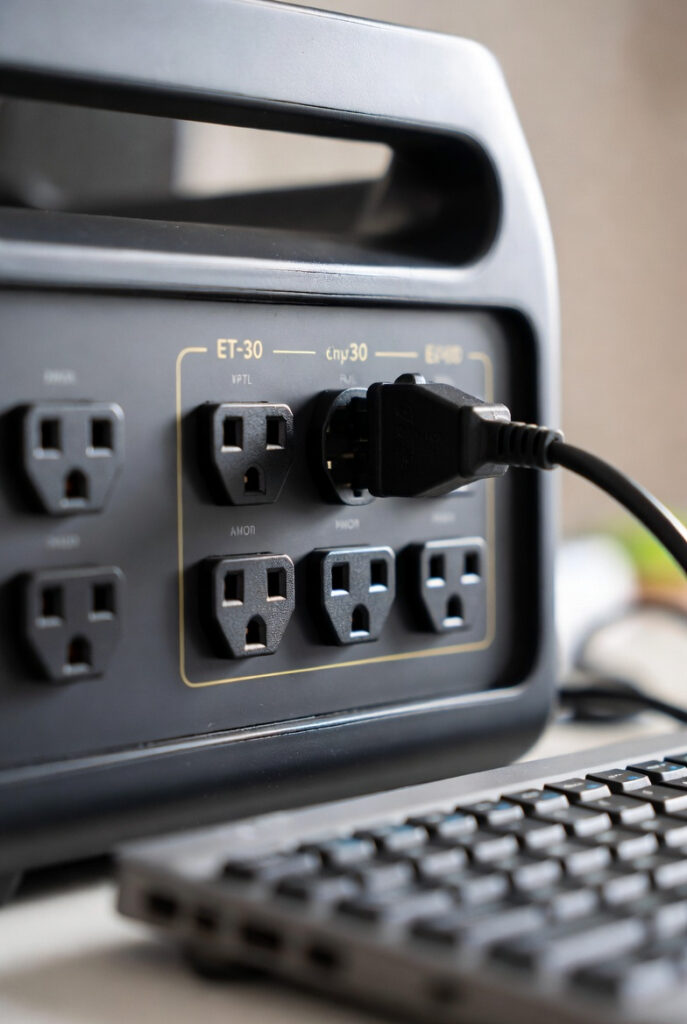
Quality portable power stations like the Anker SOLIX C1000 Gen 2 include a built-in pure sine wave inverter. That’s part of what you’re paying for. Budget power stations often use modified sine wave always check the spec sheet before buying.
Pro Tip – The Hidden Efficiency Drain: Modified sine wave forces sensitive devices to work harder to filter dirty power. A laptop that normally draws 45W may draw 55–60W on modified sine wave. Over a week of off-grid use that extra draw adds up to hours of lost battery life. Pure sine wave pays for itself in efficiency alone.
The Verdict
Modified sine wave inverters are cheap for a reason. They work for simple loads and nothing else. If you’re running anything with a motor, a power supply, or sensitive electronics pure sine wave is not optional.
Buy modified sine wave and you’re gambling with every device you plug into it. Buy pure sine wave once and protect everything forever.
Internal Links
- Hub: How Much Solar Power Do I Actually Need?
- Sideways: What Is a Solar Charge Controller?
- Sideways: 1000W Portable Power Station Reality Check
Disclosure: This article contains affiliate links. If you buy through them, GridFree Guide earns a small commission at no extra cost to you.
About the Author
Robert Bertrand spent 20 years as a service advisor in the automotive industry (Lexus and Nissan), where precision diagnostics, wiring integrity, and documentation standards were non-negotiable. He brings that same technical discipline to GridFree Guide, where he researches, tests, and documents off-grid solar systems for Ontario conditions. Based in Rockwood, Ontario, every article is built on verified specifications, manufacturer data, and the real-world climate constraints of Canadian off-grid living.
As an Amazon Associate I earn from qualifying purchases. This site also contains affiliate links to other products and services. GridFree Guide earns a small commission at no extra cost to you.