
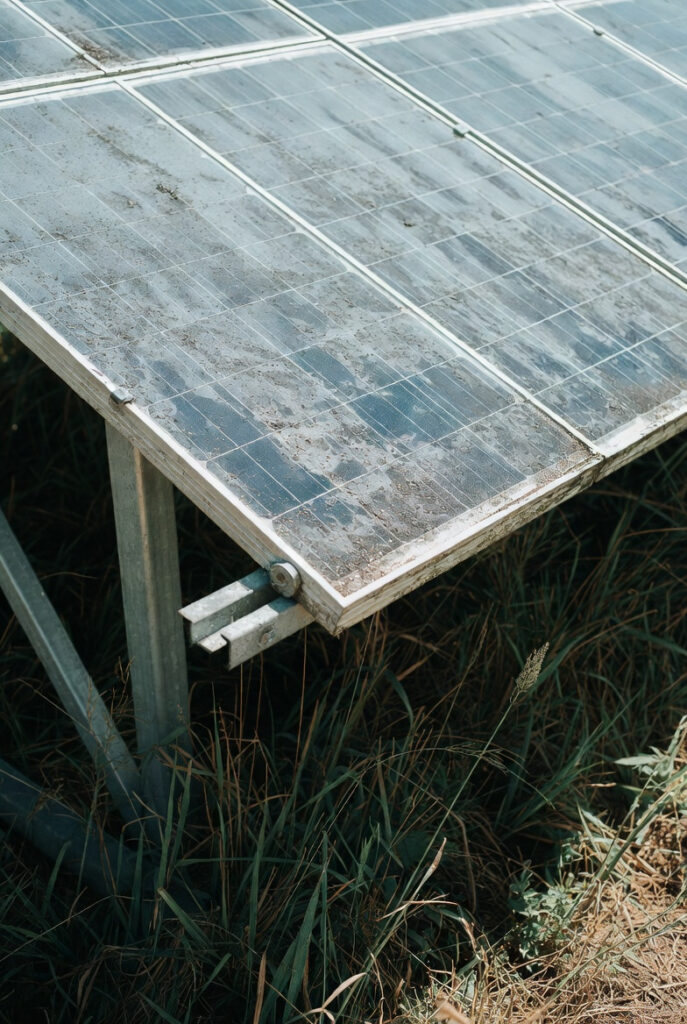
Solar panels have no moving parts. No pistons. No belts. No bearings. That makes them the most reliable piece of equipment in your entire energy system and the one most likely to outlast everything else connected to it. Here is the real solar panel lifespan timeline and what actually wears out first.
Think of it like a high-mileage Lexus engine. If you maintain the peripherals the oil changes, the alternator, the cooling system the core block can run for decades beyond what anyone expected. Solar panels work the same way. Maintain the system around them and the panels themselves become the last thing you ever replace.
Solar Panel Lifespan: The 25-Year Standard
Every quality solar panel comes with two warranties:
Product warranty: Covers manufacturing defects typically 10–12 years. If the panel physically fails the manufacturer replaces it.
Performance warranty: Covers output degradation typically 25 years. The manufacturer guarantees the panel will still produce at least 80% of its rated output after 25 years.
That 80% at year 25 number is the industry benchmark. It is not marketing it is a contractual commitment backed by decades of field data from panels installed in the 1990s and early 2000s that are still producing today.
What 80% at year 25 means practically: A 200W panel installed today produces approximately 160W at year 25 still a useful productive panel. Not dead. Not failed. Just slightly weaker than new.
The Renogy 200W Monocrystalline Panel carries exactly this warranty structure 25-year performance guarantee from an established manufacturer with the financial stability to honor it.
The Degradation Rate: Real Numbers
Panels do not maintain 100% output forever. They degrade gradually and the rate is well documented.
Industry average degradation:
- Year 1: 1–3% degradation called LID (Light-Induced Degradation)
- Years 2–25: approximately 0.5–0.7% per year for quality panels
- Budget or Tier 3 panels: 0.8–1.2% per year
The LID reality information most guides miss: In the first few hours a brand new panel is exposed to sunlight it loses 1–3% of its rated output permanently. This is called Light-Induced Degradation. The crystalline silicon structure stabilizes under light exposure and settles at its real operating baseline. Your new 200W panel is effectively a 194 – 198W panel after its first day in the sun. This is normal and expected not a defect. Every crystalline panel does this.
The 25-year production math: A 200W panel with 0.6% annual degradation:
- Year 1: ~197W (after LID stabilization)
- Year 10: ~186W
- Year 20: ~174W
- Year 25: ~168W – well above the 160W warranty floor
Quality panels from established manufacturers consistently outperform the 80% warranty floor in long-term field studies.
Why Your Inverter Will Die Before Your Panels
This is the most important financial planning point in solar system ownership and the one most beginners miss entirely.
The realistic component lifespans:
- Solar panels: 25–35 years
- String inverters: 10–15 years
- Battery bank (LiFePO4): 10–15 years (3,000–5,000 cycles)
- Battery bank (AGM): 3–7 years
- Charge controllers: 10–15 years
- Wiring and fuses: 20–30 years if properly installed
- Mounting hardware: 20–30 years
Plan your budget accordingly:
- Inverter replacement: $300–$1,500 at year 10–15
- Battery replacement: $1,000–$5,000 at year 10–15 depending on bank size
- Panel replacement: probably zero in 25 years with quality panels
The panels are the infrastructure. Everything else is the maintenance cycle.
The Ontario Thermal Cycling Reality
Ontario’s climate is one of the most demanding environments for solar panels in North America.
Ontario experiences temperatures from -30°C in winter to +35°C in summer a swing of 65°C. Every component in a solar panel expands and contracts with temperature. Over 25 years that is thousands of thermal cycles.
What thermal cycling stresses:
- Solder joints connecting cells within the panel the most common long-term failure point
- Junction box connections at the back of the panel
- Frame seals that keep moisture out of the laminate
- Cell-to-cell interconnects in the string
Why Tier 1 matters in Ontario specifically: Tier 1 manufacturers use higher-grade solder alloys, thicker cell interconnects, and better encapsulant materials that maintain flexibility through extreme temperature cycling. A budget Tier 3 panel may develop micro-cracks in the interconnects by year 8 – 10 not enough to fail outright but enough to show accelerated degradation.
If a panel company goes out of business in 3 years their 25-year warranty is worthless paper. Buy from manufacturers with a track record and financial stability to honour the commitment.
The Zombie Panel Reality
Solar panels do not die. They fade.
A 30-year-old panel does not stop working. It produces power every day just at 65 -75% of its original rating instead of 100%. Field data from panels installed in the 1980s and 1990s confirms this. Many first-generation panels are still operating at 70-80% of original output after 30–35 years.
The practical implication: Do not plan to replace your panels at year 25 because the warranty expires. Assess their actual output. If they are still producing usefully keep them running.
To track real output in real time use the Renogy 500A Battery Monitor it shows input watts from panels, battery state of charge, and historical data. Essential for catching degradation trends early while panels are still under warranty.
The Lifespan Maximization Checklist
What actually extends solar panel lifespan:
- Annual mount inspection – check for loose bolts, corrosion on aluminum frames, and any movement in racking
- Gentle snow removal – foam or rubber-edged roof rake only, never metal
- Annual wiring inspection – check MC4 connectors for corrosion, cracking, or physical damage. Replace any showing deterioration
- Keep panels clean – dirt causes hot spots that accelerate cell degradation
- Ensure airflow – panels need clearance underneath for cooling. Blocked airflow increases operating temperature and accelerates degradation
- Monitor output trends – catch accelerated degradation early while still under warranty
To measure actual appliance draw and verify system performance use the Kill-A-Watt meter real numbers from real hardware beat spec sheets every time.
Pro Tip: The single best investment in solar panel longevity costs nothing check your monitoring data monthly. A panel degrading faster than expected shows up as a subtle but consistent underperformer in your charge controller or battery monitor data. Catching accelerated degradation early means catching it while it is still under warranty. After the product warranty expires your options become much more limited.
The Verdict
Solar panel lifespan of 25+ years is not marketing. It is documented field reality backed by decades of data from panels installed in the 1980s that are still producing today.
The real lifespan planning question is not “when will my panels die?” It is “when will I need to replace my inverter and batteries?” Plan your maintenance budget around those components. The panels will likely outlast your planning horizon.
Buy Tier 1 panels from manufacturers with financial stability to honour a 25-year warranty. Maintain the system around them. Monitor output trends. And expect your panels to still be producing useful power when your grandchildren inherit the property.
Disclosure: This article contains affiliate links. If you buy through them, GridFree Guide earns a small commission at no extra cost to you.
About the Author
Robert Bertrand spent 20 years as a service advisor in the automotive industry (Lexus and Nissan), where precision diagnostics, wiring integrity, and documentation standards were non-negotiable. He brings that same technical discipline to GridFree Guide, where he researches, tests, and documents off-grid solar systems for Ontario conditions. Based in Rockwood, Ontario, every article is built on verified specifications, manufacturer data, and the real-world climate constraints of Canadian off-grid living.
As an Amazon Associate I earn from qualifying purchases. This site also contains affiliate links to other products and services. GridFree Guide earns a small commission at no extra cost to you.